Case study
A Sharjah driver, a minor crash, and a surprise rejection letter
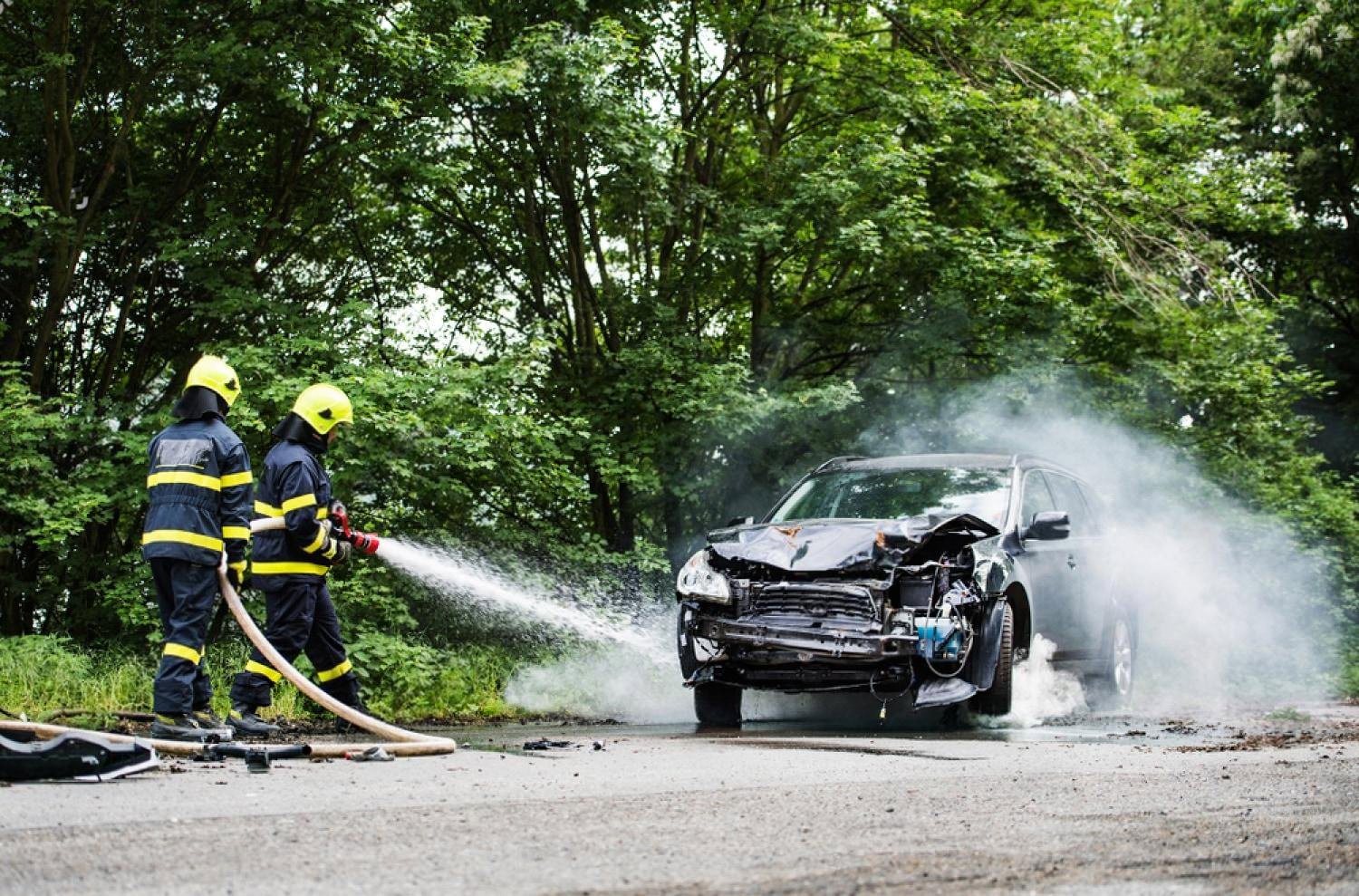
Omar, a sales manager living in Sharjah and commuting daily to Dubai, rear-ended another car on Sheikh Zayed Road during morning traffic. His bumper was crushed, the radiator was leaking, and the Dubai Police report listed him as the at-fault driver. He assumed his policy would cover the repair bill at the agency garage. Two weeks later his insurer sent a short message: the claim for his own vehicle had been declined. Omar had a third-party liability policy, not comprehensive cover, and that one detail changed everything about what happened next.
Before and after: what the policy actually paid
Policy held: Third-party liability only.
Monthly premium: Low, around a third of comprehensive.
Driver’s assumption: “Any accident I report will be fixed.”
Reality check: The policy only pays the other party when the holder is at fault.
Paid by insurer: Repair of the other driver’s car in full.
Paid by Omar: AED 11,400 out of pocket for his own bumper, radiator and labour.
Lesson learned: The refusal was not a mistake. It was exactly what the contract said. He simply never read the exclusions.

What we tried first
Appealing the refusal
The first instinct after a denial is to argue. Omar did what most UAE drivers do: he called the hotline, visited the branch, and asked for the file to be reopened. None of that moved the needle, because the insurer was acting within the terms of the policy registered with the UAE Central Bank. A refusal that follows the written contract is not negotiable at the counter.
Here is the shortlist of steps we worked through, in order:
- Requested the written denial letter with the specific clause cited.
- Pulled the Dubai Police report and matched it to the policy wording.
- Checked whether the Insurance Authority (now part of the Central Bank) had grounds for a complaint.
- Asked a broker to review the file for any procedural mistake by the insurer.
- Explored escalation through the Central Bank of the UAE which supervises insurance firms.
The verdict from every party was the same. The policy was third-party only, the damage was to Omar’s own car, and there was no clause that could be stretched to cover it. The refusal stood.
What actually worked: changing the policy, not fighting the claim
Once Omar accepted that the current claim was dead, we moved to the only thing that would prevent a repeat: the next renewal. He compared quotes for comprehensive cover across several providers, and used a broker to translate the small print. If you want to see how the two main product tiers compare on paper, the breakdown at car insurance options in the UAE is a reasonable starting point before you commit to anything.
The practical fixes he put in place for the following year:
- Upgraded to comprehensive cover. Own-damage repairs are included regardless of fault, within the policy limits.
- Added agency repair for the first three years. Non-agency repair is cheaper but uses parallel parts, which hurts resale value on a newer car.
- Added natural-hazard cover. Flood, fire and storm damage are usually excluded from basic policies and need to be added explicitly, something that matters during Gulf shamal season and the heavy rain events the UAE has seen in recent years.
- Confirmed off-road and GCC cover. Trips to Hatta, Jebel Jais or across the Oman border were a habit, and the standard policy did not include them.
- Named all regular drivers. A claim can be refused if the person behind the wheel at the time of the accident was not listed, even if they hold a valid UAE licence.
The new annual premium was roughly 2.4 times the old one. Measured against the AED 11,400 he had just paid out of pocket, and the much larger figure a serious crash would produce, the maths was not close.
The common reasons an insurer in the UAE will refuse to pay
Omar’s story is one shape of refusal, but there are several others. Insurers in the UAE operate under published federal rules and standard policy wordings, which means the reasons for rejection tend to repeat. The most frequent ones:
- The policy type does not cover your loss. Third-party only never pays for your own vehicle. Comprehensive pays only for perils listed in the schedule.
- Natural disasters or fire were not added. Flood after heavy rain, sandstorm damage, fire while parked: all commonly excluded from the base product in the UAE and sold as an add-on.
- Driver not named or not licensed. If the person driving was unlicensed in the UAE, on an expired licence, or simply not on your policy, the claim can be voided.
- Alcohol, reckless driving or a traffic offence linked to the accident. Any accident where a serious violation is recorded by the police will almost certainly be refused.
- Late notification. Most UAE policies require the accident to be reported, and a police report filed, within a set window. Miss it and the insurer has grounds to decline.
- Damage outside the covered geography. A policy limited to the UAE will not pay for an accident in Oman or Saudi Arabia unless GCC extension was purchased.
- Modifications not declared. Aftermarket turbos, non-standard tyres, roof racks or lift kits can all be used to deny a claim if the insurer was not told.
- Commercial use on a private policy. Using your personal car for deliveries or ride-hailing without a commercial endorsement is a common and expensive mistake.
“The refusal letter did not surprise the insurer or the broker. It only surprised me, because I had never actually read what I bought. A policy is a contract, not a promise to be nice.”
Takeaway
What to do before you sign the next renewal
- Read the exclusions page, not just the price.
- Ask explicitly whether fire, flood and theft are included or add-ons.
- Confirm agency repair cover if your car is under three years old.
- List every regular driver on the policy, including family members.
- Keep a copy of the policy on your phone, with the emergency number saved.
- If an accident happens, file the police report the same day and notify your insurer within 24 hours.
Frequently asked questions
Can an insurance company in the UAE legally refuse to pay a valid claim?
Yes, but only on grounds set out in the policy wording and the regulations supervised by the Central Bank of the UAE. Common legal reasons include the loss not being covered by the policy type, the driver not being listed, a serious traffic offence linked to the accident, or late notification.
If you believe the refusal is wrong, you can escalate the complaint to the insurer’s internal grievance team and then to the Central Bank’s Sanadak unit for insurance disputes.
Will third-party insurance cover my own car if the other driver is at fault?
Not directly. Third-party liability on your side only pays the other party when you are at fault. If the other driver caused the accident, their third-party policy is the one that pays for your repairs, provided the police report assigns them the blame.
That is why comprehensive cover is often worth the extra premium: it pays for your car regardless of who is at fault, within the limits of the policy.
Does basic car insurance in the UAE cover fire, flood or sandstorm damage?
Usually not. Third-party and even some entry-level comprehensive policies in the UAE exclude natural perils by default. Fire while parked, flood damage after heavy rain, and sandstorm-related damage typically need to be added as a specific extension.
Check the schedule page of your policy for the words “natural perils”, “act of God” or “fire and theft” and confirm with your broker before you assume you are covered.
How long do I have to report a car accident to my insurer in the UAE?
Most UAE motor policies require you to notify the insurer within 24 to 48 hours of the accident and to submit the police report as soon as it is issued. Waiting too long is one of the easier grounds an insurer can use to refuse the claim.
Call the insurer’s hotline from the scene if possible, and keep a copy of the reference number along with your police report.
Can my claim be refused if someone else was driving my car?
It depends on how the policy is written. Some UAE policies cover any licensed driver with your permission, others restrict cover to named drivers only. If the person at the wheel was not listed on a named-driver policy, or did not hold a valid UAE licence, the insurer can decline.
If family members or a driver regularly use your car, add them to the policy when you buy it.
What should I do if my UAE insurance claim is refused?
Start by asking the insurer for the refusal in writing, with the exact policy clause cited. Compare that clause to your own copy of the policy and the police report. If the refusal follows the contract, arguing further rarely helps.
If you believe the insurer is misapplying the policy, file a formal complaint with their customer service team, then escalate to the Sanadak dispute resolution unit under the Central Bank of the UAE. Keep every document, email and reference number from the start.

Football fan, follower of Christ, audiophile, reclaimed wood collector and recent OCAD grad. Acting at the nexus of design and sustainability to craft experiences both online and in real life.